Building a New House: What You Need to Watch Out For to Avoid Expensive Mistakes
Learn all the basic steps and pitfalls you need to watch out for before building a new house. A complete guide for proper preparation and smart choices.
Introduction
Building a new house is one of the most significant projects in an owner's life. It requires proper planning, reliable professionals, and careful choices at every stage. In the following guide, we present everything you need to watch out for to avoid mistakes that cost time, money, and stress.
1. Plot Selection and Soil Testing
Before any construction begins, it is necessary to carry out:
A check of the soil morphology.
An examination of stability and slopes.
A check for machinery access.
Determination if significant earthworks are required.
💡 Tip: A “cheap” plot may hide high grading costs.
2. Permits and Legal Issues
The building permit must be issued before anything starts. Ensure that:
The land use permits residential construction.
There are no encumbrances or illegalities.
Your engineer has performed a full topographical survey.
3. Choosing Reliable Professionals
The right team is critical. Choose:
An Engineer / Civil Engineer.
An Architect.
An experienced earthworks crew.
Reliable material suppliers.
At every stage, ask for a detailed quote so you know exactly what is included.
4. Earthworks and Foundations
The quality of the foundation determines the longevity of the house. Pay attention to:
Proper excavation and leveling of the plot.
Soil compaction.
Proper trenching for cesspools/septic tanks and sewage networks.
Selection of appropriate materials (Road base 3A, gravel, sand).
💡 Bad preparation = settling, cracks, and expensive future problems.
5. Choosing Quality Materials
Do not skimp on basic building materials. Pay attention to:
High-quality concrete.
Reinforcement (rebar) of the appropriate grade.
Thermal insulation & waterproofing.
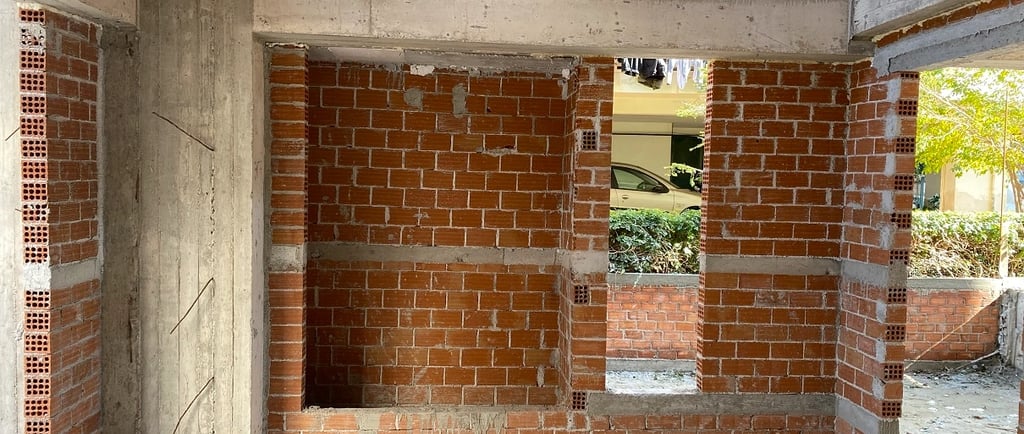
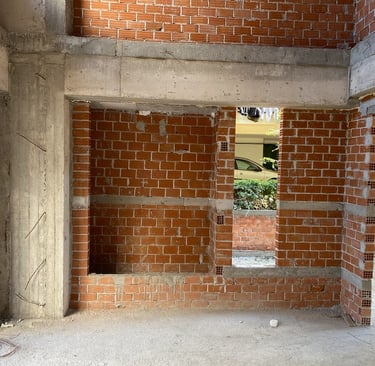
Durable bricks or blocks.
Good frames for energy saving.
Poor quality materials will cost more in the future than what you save now.
6. Proper Electrical & Plumbing Design
Proper design from the start prevents demolition and modifications later.
Plan for all utilities (electricity, water, fiber optics).
Calculate future needs (sockets, lighting, heating).
Place drains at the correct points.
7. Attention to Budget & Schedule
Home construction always has:
Unforeseen expenses.
Delays.
Additional work needs.
Calculate an extra 10–20% on top of the initial budget.
8. Checking Every Stage of Construction
Leave nothing to chance:
Check materials upon delivery.
Perform regular checks on the progress of the project.
Ensure that the team adheres to specifications.
Conclusion
Building a house can be a smooth and pleasant process if there is proper planning and cooperation with experienced professionals. Careful selection of materials, crews, and studies protects your investment and ensures a home that will remain stable and safe for decades.
Contact
Our Social Media!
Location: Chrisoskalitissa, Kissamos, Chania, Crete
Build by PixelPals © 2025. All rights reserved.