Land Grading: Steps, Cost, and What to Look Out For
Learn all the steps for proper land grading, how much it costs, and what to watch out for before you start. A detailed guide for individuals and professionals.
Introduction
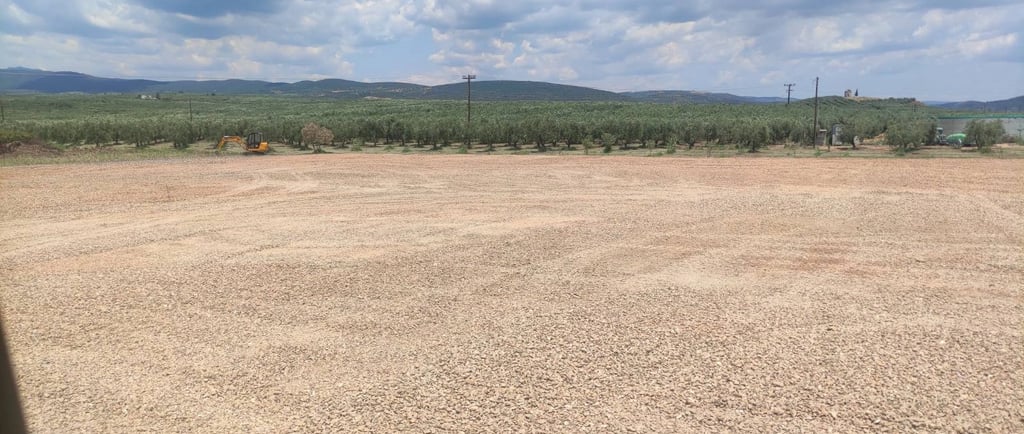
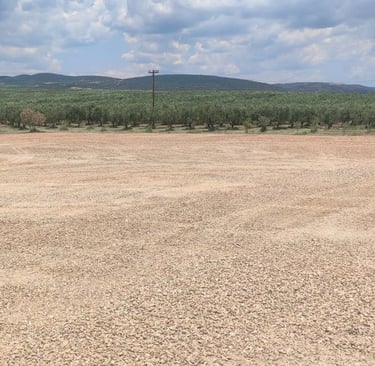
Land grading is a critical stage before erecting a building or creating outdoor spaces. It includes leveling, clearing, excavations, and proper ground preparation. A carefully executed process ensures safety, stability, and the long-term durability of the construction that will follow.
What Land Grading Includes
The process may vary depending on the project, but it usually includes:
Clearing of debris, plants, and obstacles (Site Clearing).
Leveling and aligning the ground.
Excavations for foundations, cesspools/septic tanks, or utility networks.
Backfilling and compaction.
Removal of excess soil.
Grading for fencing, parking areas, or yards.
With the help of appropriate machinery (excavator, bulldozer, loader), the process becomes faster, safer, and more precise.
How Much Does Land Grading Cost?
The cost is influenced by several factors, such as:
The size of the plot.
The type of soil (hard, rocky, soft).
The difficulty of machinery access.
The volume of excavation and backfilling required.
The need for material transport.
💡 Indicatively:
Prices usually range from 300€ to 2,000€+, depending on the size and difficulty of the project.
Why Proper Ground Preparation is Important
A properly graded base:
Prevents settling and cracks in buildings.
Reduces the cost of future repairs.
Ensures smooth construction and easy access for work crews.
Increases the value of the plot.
Inadequate preparation can create serious problems, even instability in the foundation.
What You Need to Watch Out For Before Starting
Soil check by an engineer.
Availability of the right machinery depending on the morphology.
Precise measurements for leveling.
Issuance of permits, where required.
A detailed quote to avoid “hidden” costs.
Conclusion
Land grading constitutes the foundation of every successful construction. With proper study, a specialized crew, and the right equipment, you ensure safety, quality, and long-term durability for your project.
Contact
Our Social Media!
Location: Chrisoskalitissa, Kissamos, Chania, Crete
Build by PixelPals © 2025. All rights reserved.